Cape McLear and Liwonde National Park 094
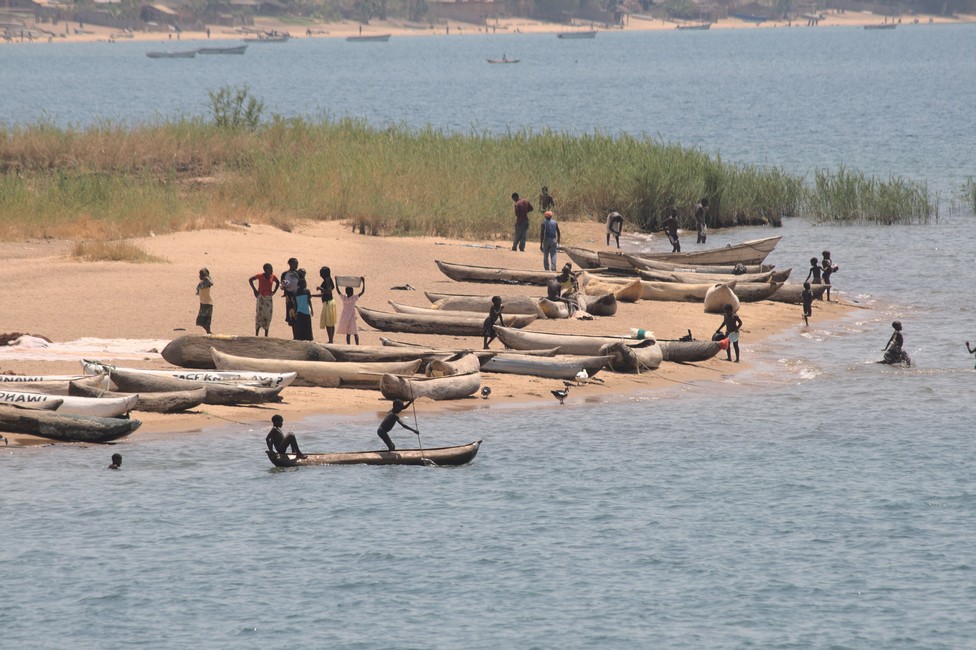
On our way to Liwonde National park we stop over at Cape Maclear in Lake Malawi National Park and the journey is interesting. The last few kilometers to the lodge, we drive through a Fishing village.
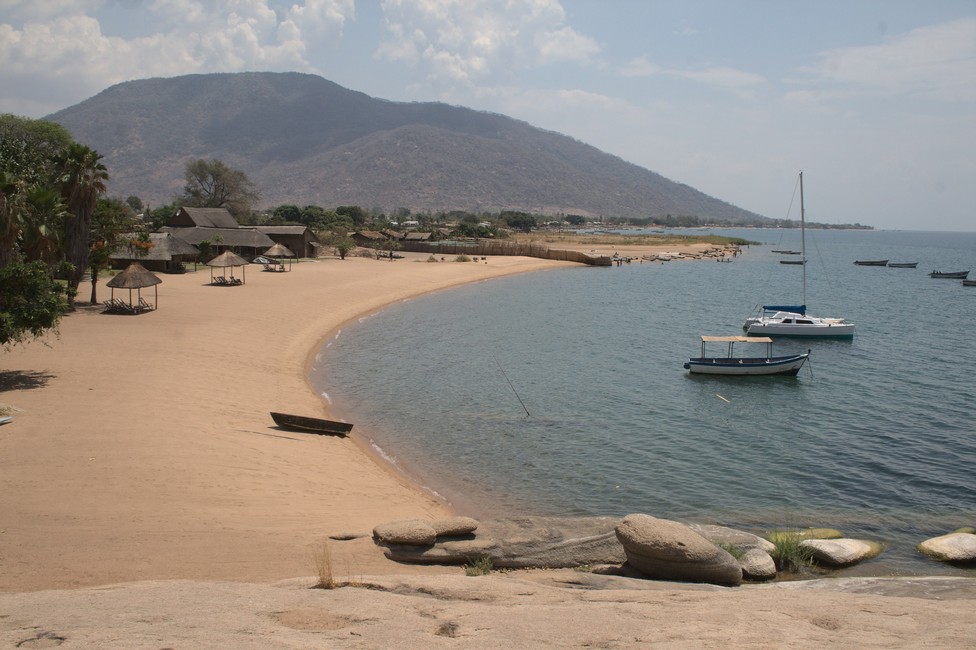
We are beautifully located on the shore next to the lodge, with good views of the Lake Malawi.
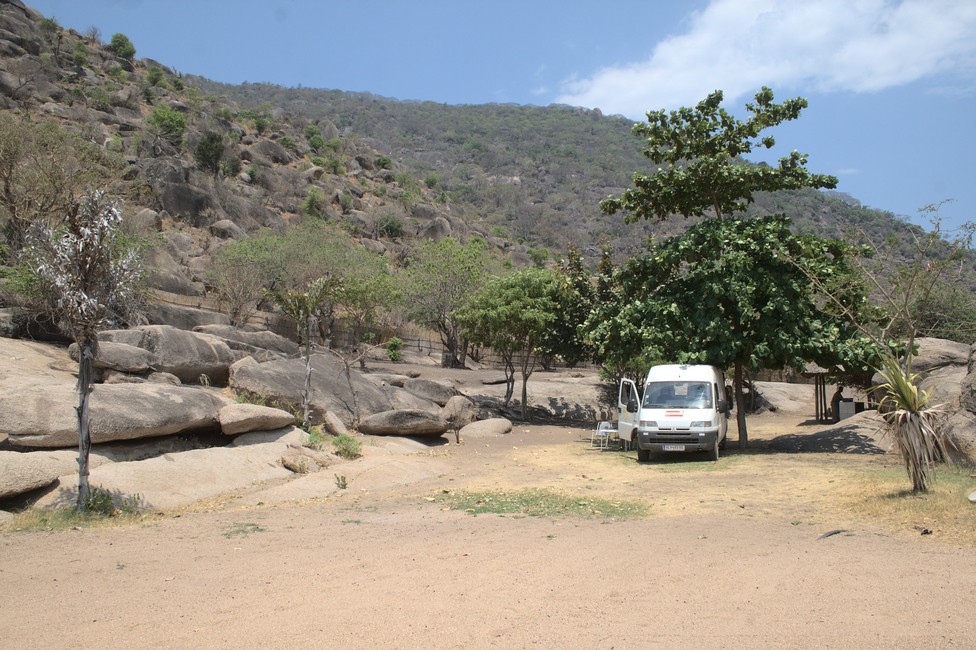
And we already attract attention. A monitor lizard is interested in us. I’m worried about Tara, because the lizard is not exactly small and a fast hunter. It eats meat, so I think about locking up Tara, but then we decide that Tara is much too rich a prey.
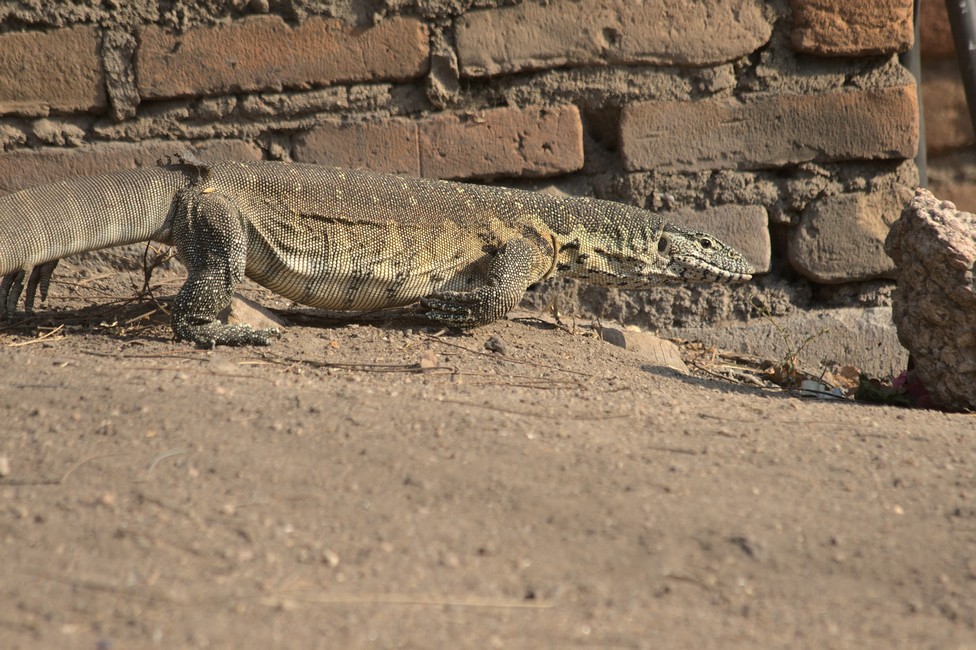
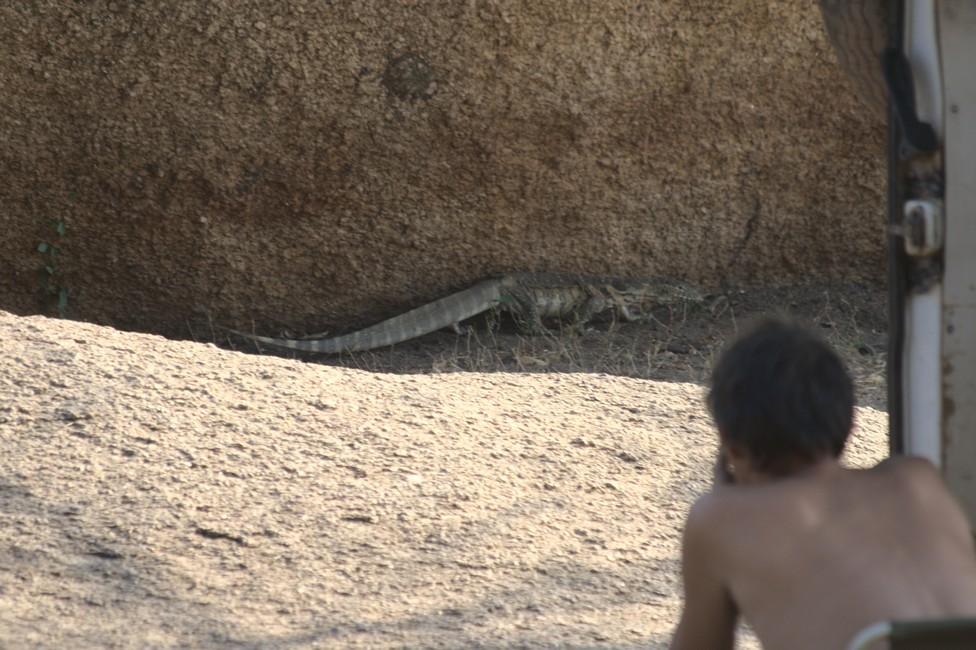
Slowly it moves closer. We are excited what will happen.
Tara has discovered the lizard and is itself curious. I whistle her back. We do not want to risk a direct confrontation.
It sees the dog, but passes at a respectful distance. Too rich prey.
For a while we watch life on Lake Malawi, from here we only travel inland.
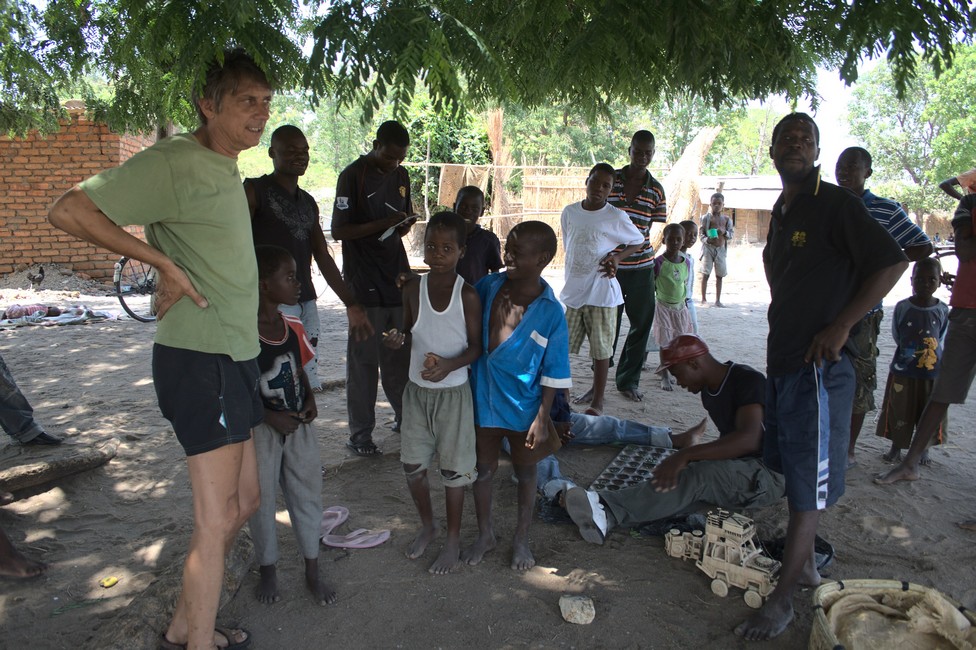
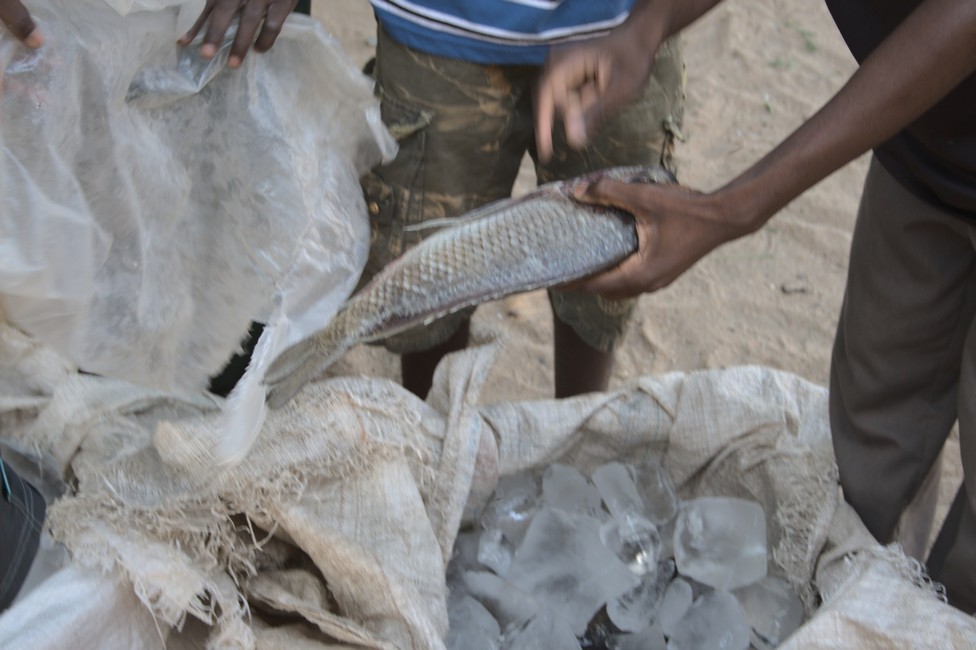
We buy fish at the roadside. The vendors prepare the fish for us. We are heading to Liwonde National Park in the south. The dinner is organized as they fillet the fish for us. The children are curious about what the foreigners do here.
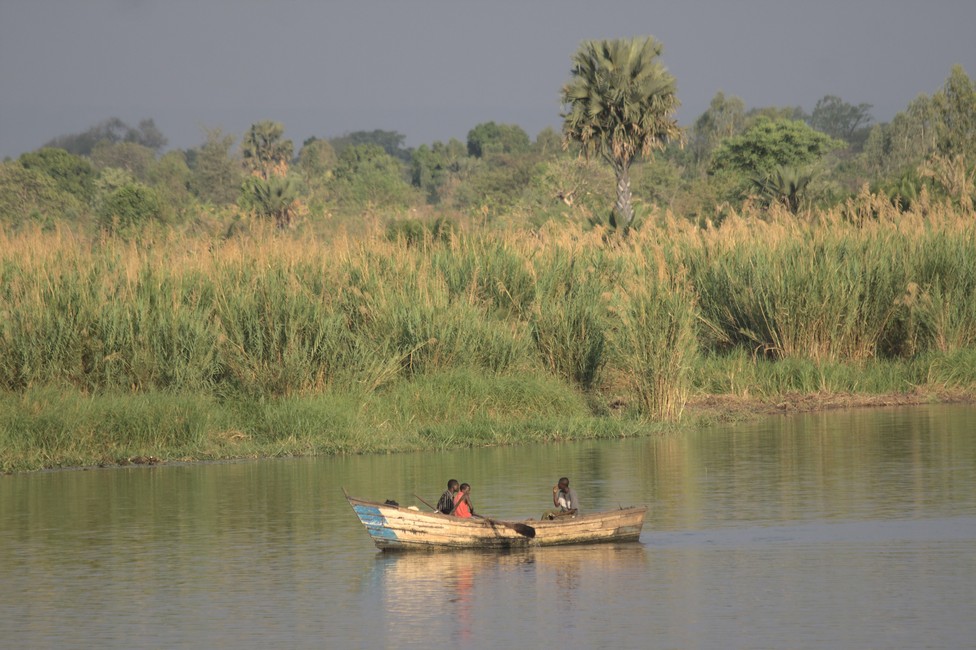
Refrigerator filled, we’re going to Liwonde, where we check in at the Guest House at the Shire River. We have a good view of the river and the fishing boats.
In the morning we are traveling in Liwonde National Park, including Tara. The landscape is very dry, although the park runs along the river.
The Liwonde Park has now largely recovered. The enchanting river landscape was once home to hundreds of elephants and hippos. Population growth and poaching troubled these wilderness. Some species, such as rhino, zebra and buffalo died out. Animal traps wounded the animals unnecessarily.
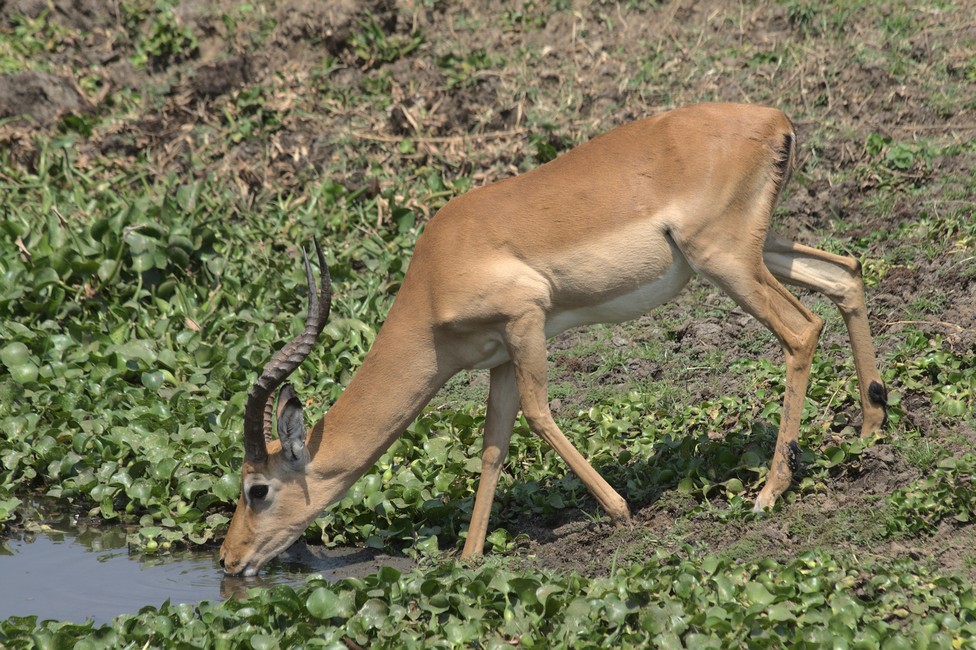
The result was that the lions and elephants in Liwonde were the most aggressive in the whole of Africa, because they saw man as a worst enemy. Few people visited the park until 1990. The camp was neglected, underpaid rangers, the animals are very shy. International aid began to take action. A 117 km long electric fence was built, the camp has been privatized, extinct animal species have been reintegrated. In this way, the park received two rhinos.
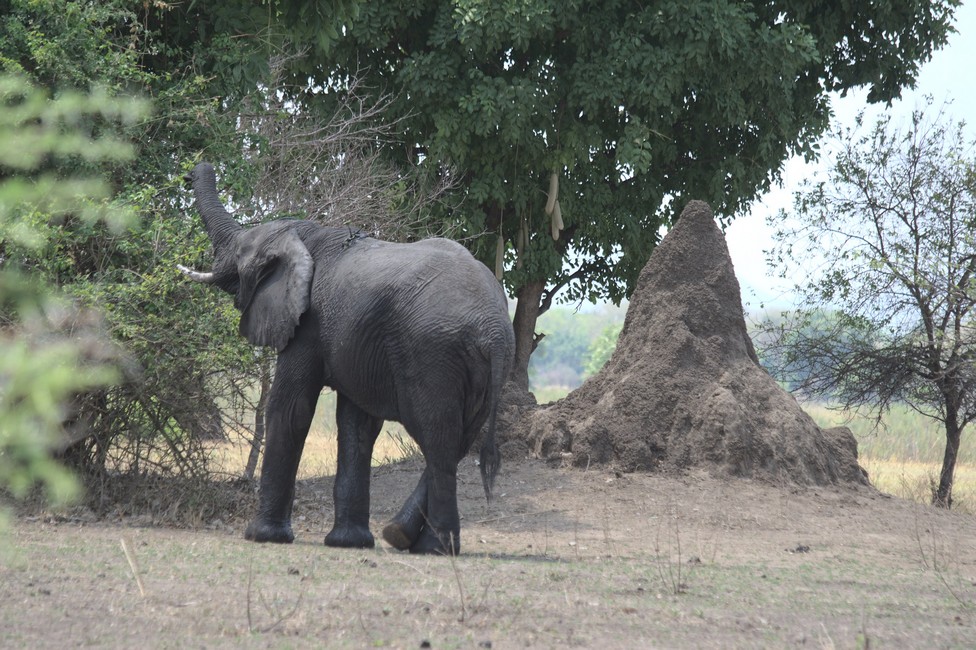
An the river we discover a single bull elephant. We must be careful. n Liwonde Park the chance is very high to see some of the approximately 800 elephants on the riverbank. Also, waterbuck, warthog and bushbucks like to keep to the shore.
Liwonde National Park is 550 square kilometers and was established in 1973. In the north it is bordered by Lake Malombe and the west by the Shire. The best time is from July to October, although it is often very hot in September.
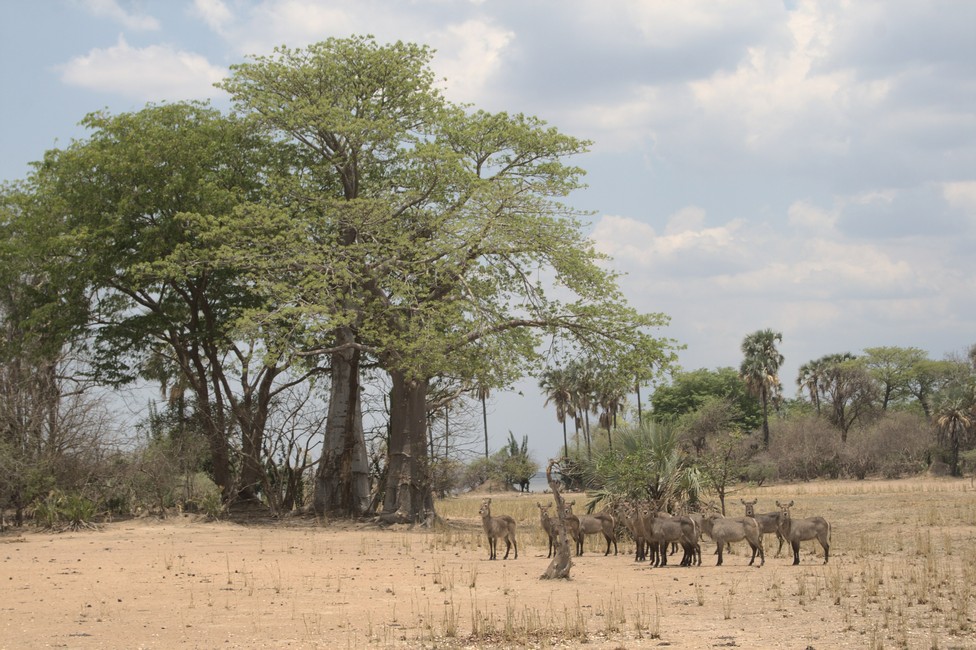
On the way out an accident happens. I underestimate the resilience of a branch and damage the whole side of the vehicle. That hurts, at least it’s only an optical defect.
One Comment