Caprivi stripe – Lizauli Village, Namibia 104

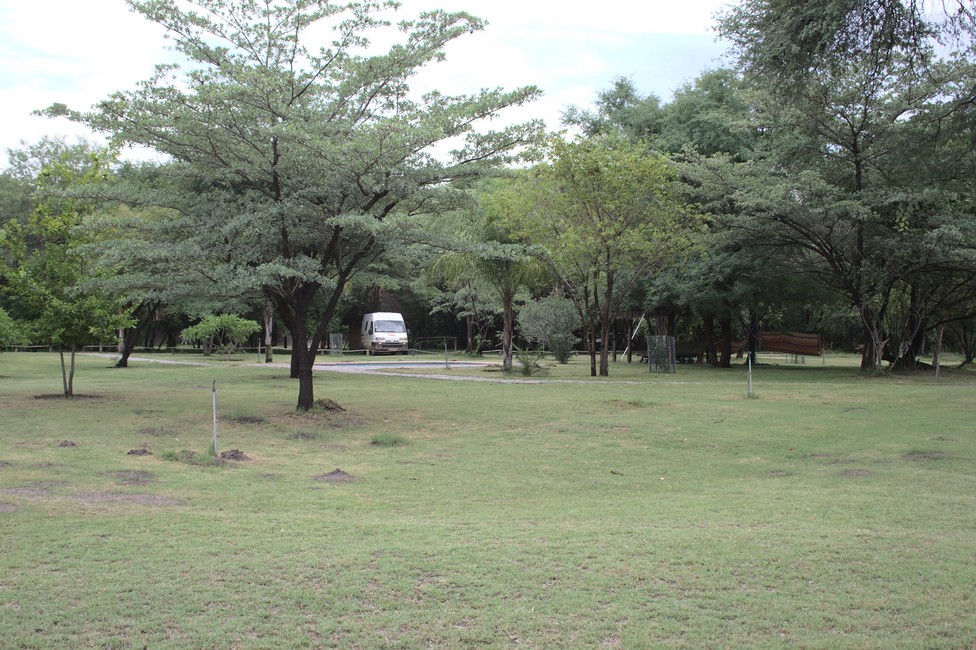
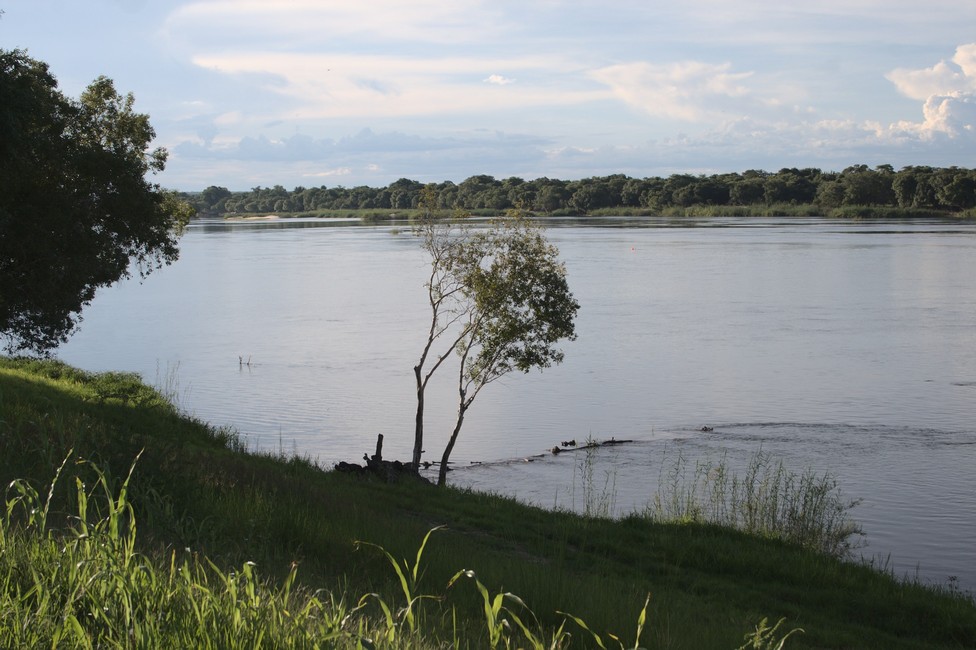
Immediately after the border into Namibia we are in Caprivi stripe,a marvelous landscape and in Katima Mulilo, we set up our tent at the Zambezi. Everything is organized so properly, we believe we have left Africa.
Caprivi
Caprivi stripe – Camp at the Zambezi

Our journey continues west through the Caprivi strip on smooth tarmac. The route is over 100 kilometers straight, a few years ago, this was a dirt road, which at that time was a challenge.

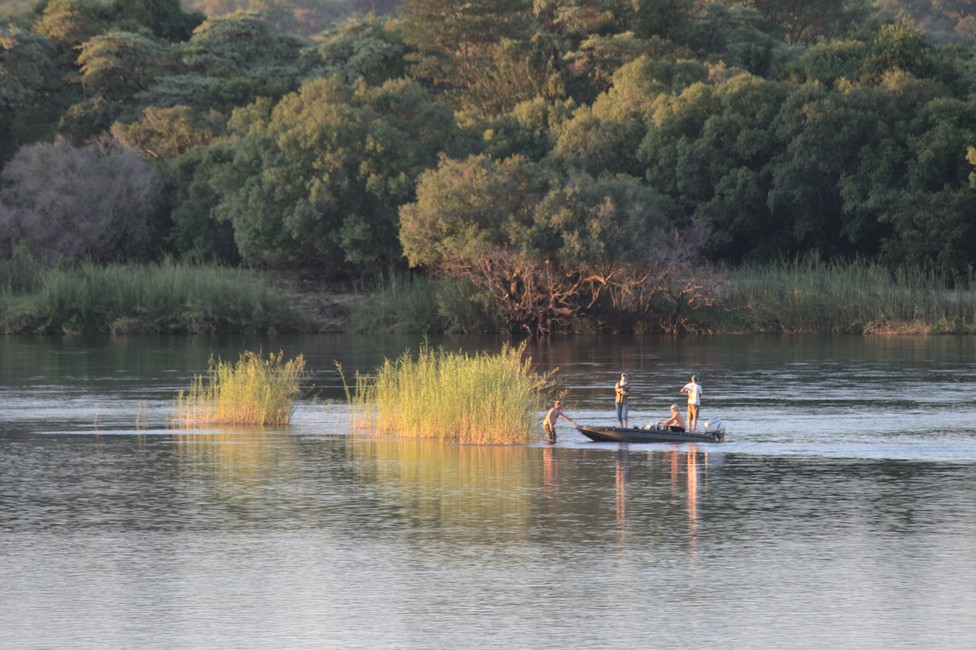
But soon we turn off because we need an accommodation for the night. On the Kwando River, we find a place to stay. We are surprised by the price. Camping is not necessarily cheap.
Caprivi
Caprivi Stripe Campsite
Caprivi
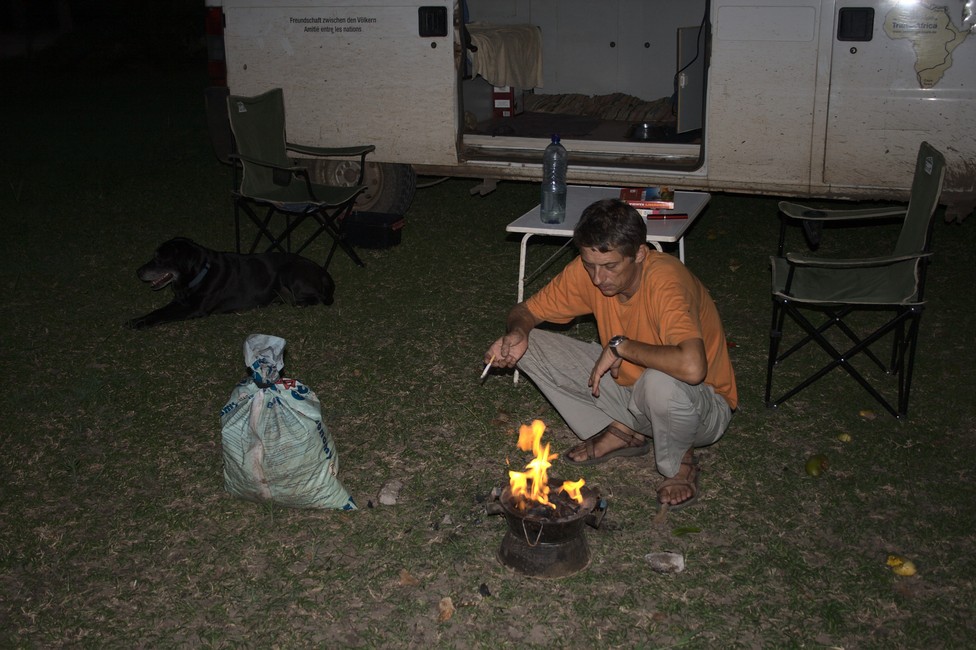
charcoal cooking in Caprivi stripe
Caprivi
campsite at day light

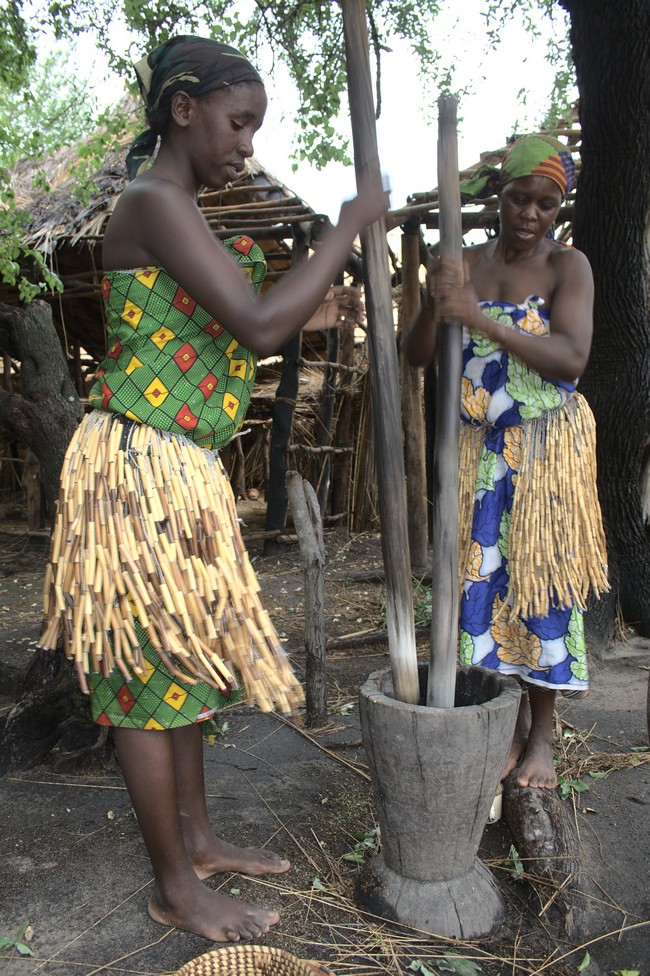
But it’s only for one night because we want to visit a traditional village, called Lizauli. In the village we see women as they grind grain.
Caprivi
Lizauli women

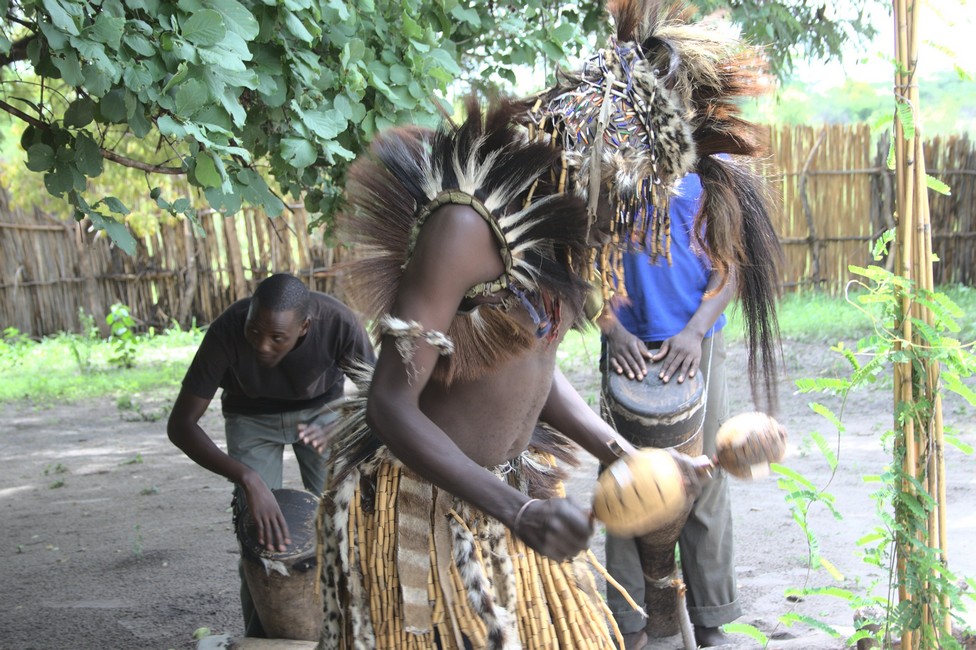
A young man leads us around and shows us a traditional mousetrap. We must wait now what the medicine man found out, especially waiting for the translation. We are told that this instrument is intended to attract the hippo and used for hunting.
Caprivi
Lizauli Medicine Man

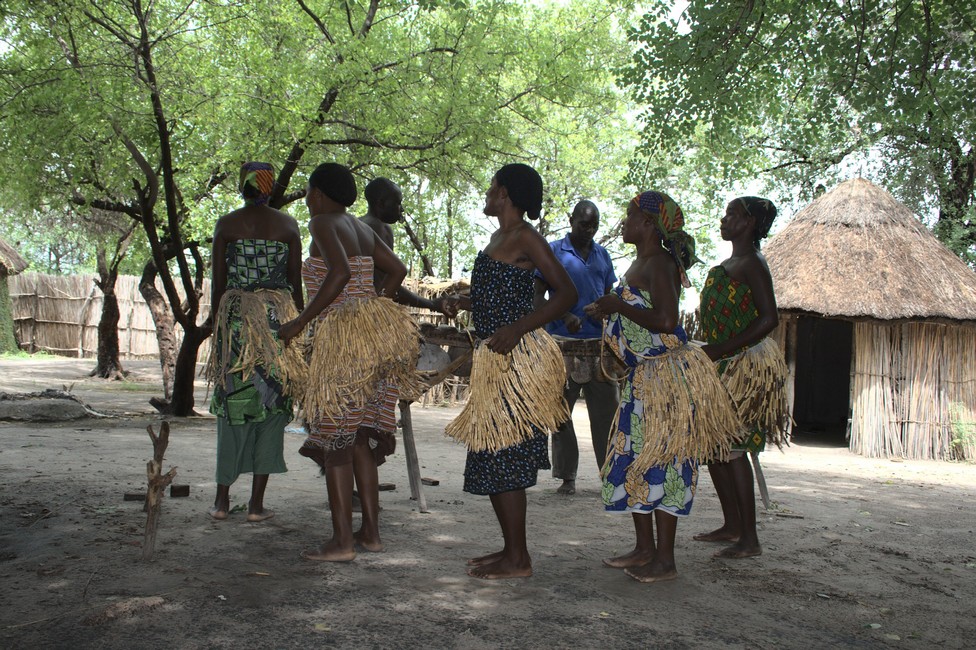
The Zemba or Lizauli are an ethnic group in Namibia, primarily found in the Zambezi Region (formerly known as the Caprivi Strip). The Zemba people have a unique culture and language, and are known for their traditional music and dance. They rely on fishing, hunting and small-scale agriculture for their livelihoods, and their community life is based on a strong sense of family and social ties. The Zemba people have faced challenges in the past, including displacement from their ancestral lands due to colonialism and conflict, but they continue to maintain their cultural identity and traditions.
Caprivi
Lizauli Village

Back on the main street in the Caprivi, suddenly an elephant is on the road. Just incredible. We head for Divundu at the eastern bank of the Okavango.

Previous

Next

Similar Posts

  • Sabratha Sights in Detail

    Sabratha Sights: Exploring Ancient Roman Splendor on the Libyan Coast Located on the picturesque Libyan coast, Sabratha is an archaeological site that showcases the grandeur and magnificence of the ancient Roman Empire. With its well-preserved ruins, stunning coastal views, and rich historical significance, the Sabratha Sights offers a captivating journey into the past. Here’s a…

  • Irente Viewpoint

    Perched atop the undulating landscapes of Tanzania’s Usambara Mountains, the Irente Viewpoint stands as a breathtaking vantage point that unveils a world of natural beauty and captivating vistas. This hidden gem, nestled within the verdant embrace of the Eastern Arc Mountains, offers travelers a chance to step into a realm of panoramic horizons, serene beauty,…

  • Dakhla Oasis

    Dakhla Oasis, situated in the Egyptian Western Desert, is one of the country’s most alluring and historically rich oases. Spanning approximately 1,800 square kilometers, it is a tapestry of natural wonders, ancient ruins, and vibrant cultural heritage. Dakhla Oasis’s history dates back thousands of years, with evidence of human settlement during prehistoric times. It has…

  • Amboseli National Park

    Amboseli National Park is a captivating and picturesque wildlife reserve situated in the southern part of Kenya, near the border with Tanzania. Covering an area of approximately 392 square kilometers, the park is renowned for its stunning vistas, abundant wildlife, and iconic views of Mount Kilimanjaro, Africa’s tallest peak, which lies just across the border…

3 Comments

Leave a Reply

Your email address will not be published. Required fields are marked *