Ethiopian highlands 051
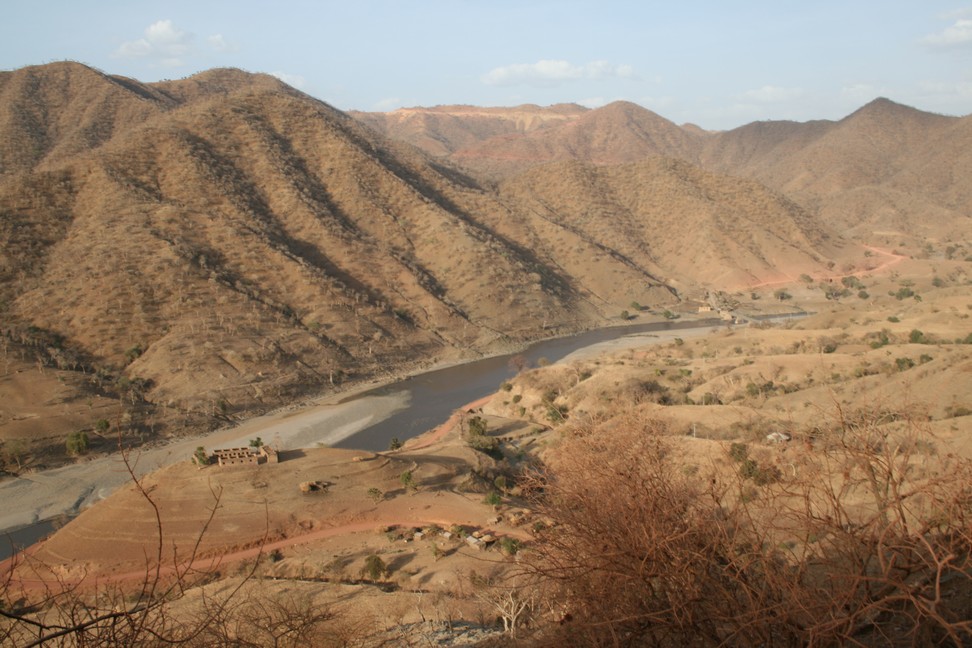
The Ethiopian highlands are of rugged beauty, sparsely populated, averaging over 2,000 meters above sea level. Only a few roads go from north to south, little traffic, therefore gravel roads, only maintained rarely.
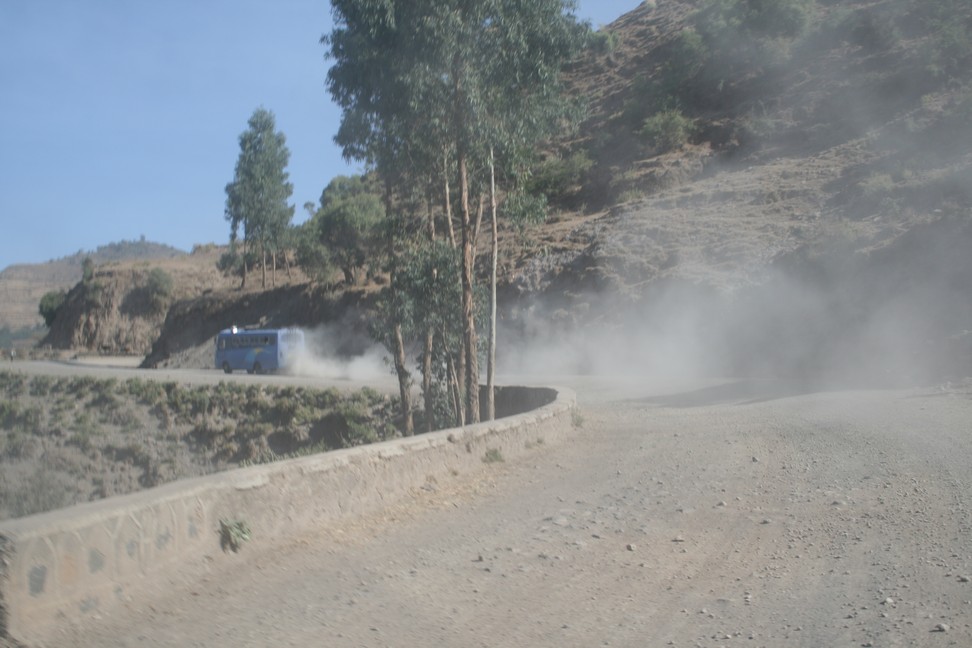
Ethiopia spends little money for infrastructure, mountain roads are expensive to maintain and build. We move forward slowly. We are heavily loaden, have spare diesel on board, and the slopes are difficult. For hours we meet no other vehicle.
We enjoy the scenery, enjoy the deep gorges and forget the effort it takes to travel here.
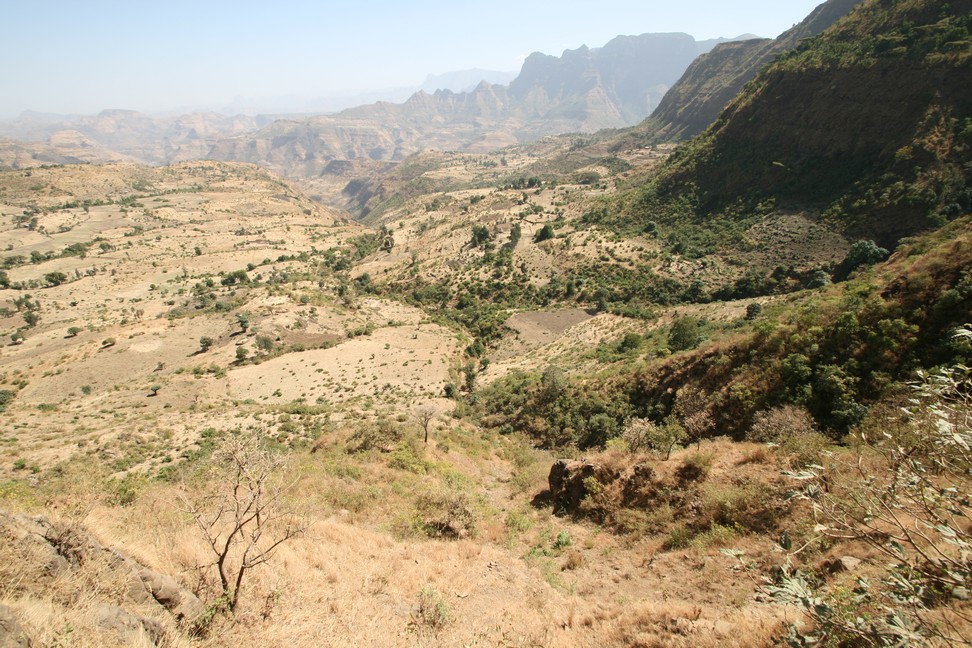
We are exhausted and take a coffee break. The entire transportation of goods to the north runs through this route. Truck drivers know the route and need two days from Gondar to Axum. We will take us four days.
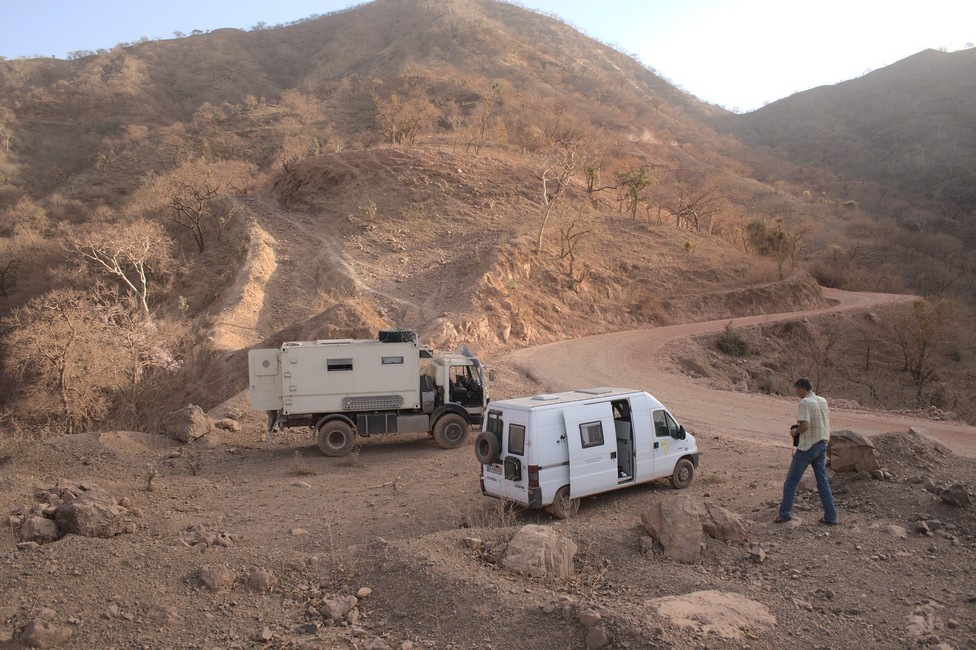
There are only a few villages in the north. The farmers live in scattered huts and plough the barren ground. They plant corn and other crops and keep cattle, but more frequently goats.
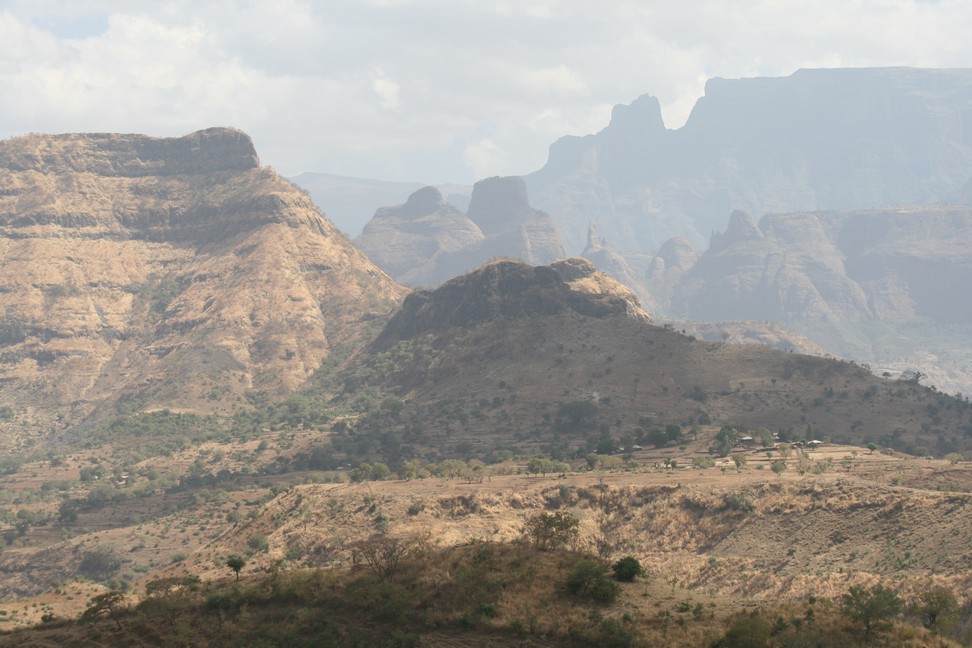
The northern highland is divided into broad plateaus characterized by table mountains and deep valleys. While the population in Europe has settled in highland valleys, here they inhabit the high plateaus. The valleys divide the land and prevent communication in many places. The valley sections north of Gondar are the borders between the provinces Begemder, Tigray and Simien.
As soon as we stop at the roadside, out of nowhere numerous children appear. They are usually shy at first, but curiosity wins and they get closer. Bodo shares his snack. The heads of the girls and boys are shaved to prevent lice and fleas, probably. Traditionally they wear floor-length dresses.
The red earth is for us like hell, because the fine dust gets in our vehicles and covers everything with a thick layer. It is already late afternoon and we are tired. We begin to look for a place to stay. The road winds down to the river Tekezze where we want to set up our camp.
Early morning we scare up a camel, which can not decide which side it prefers to escape.
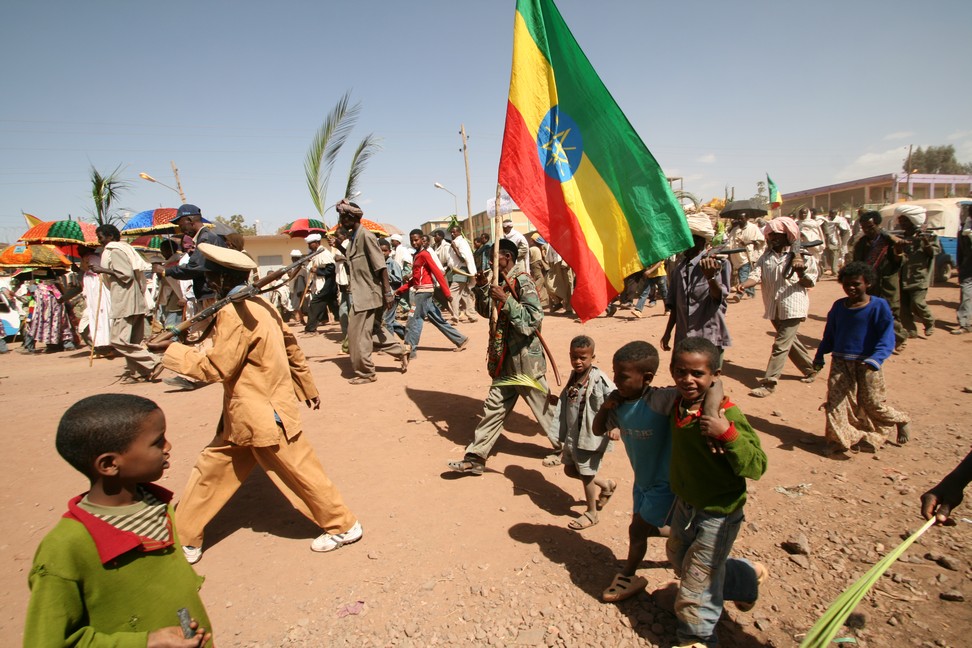
In a bigger village we find ourselves in a procession. It could be a national or religious holiday. We do not know, but the colorful umbrellas are beautiful to look at.
A detour. Road construction is in full process across the country. Above all, China is building the roads, in return for economic impact and the hedging of future markets for Chinese goods.
After some time we reach Axum and take a look at the columns.