Lusaka, Zambia 099
Quickly we want to get to Lusaka, the capital of Zambia. We cross the Luangwa river again, hundreds of kilometers later, and cross it on a fairly new bridge.
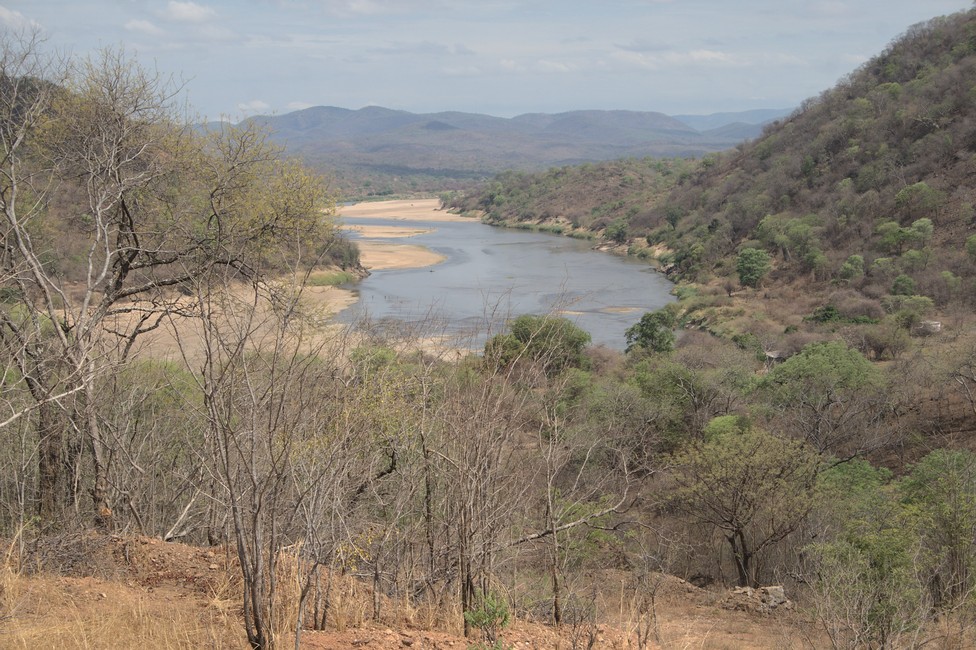
By late afternoon we reached Lusaka, especially at rush hour, so we push our way through the dense city traffic.
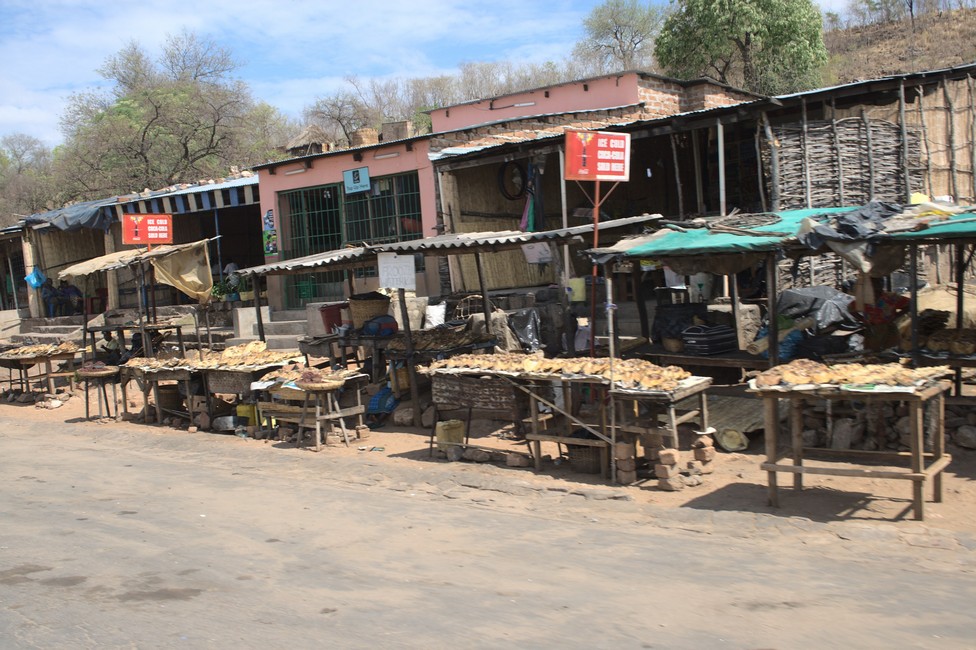
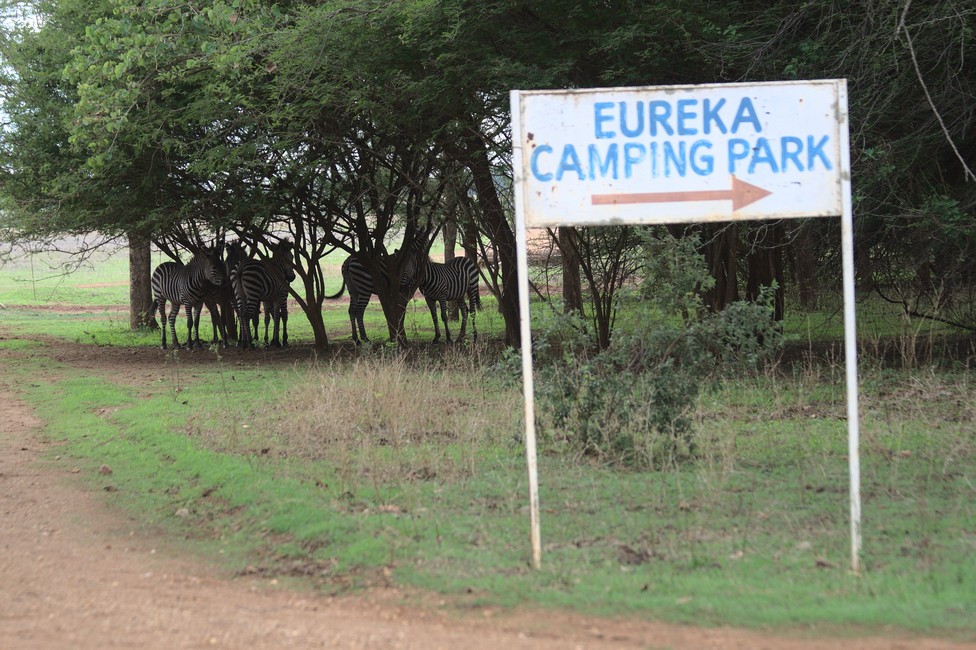
Outside the city, we remain at the Eureka camp. The plots are well equipped with shelter, barbecue area and power connector on lush green grass. We are astonished as we discover zebras grazing on the camp site. I try to get closer, let’s see how close they let me go. Their flight distance is short. They are not pets, but you realize that they are accustomed to humans.
Lusaka is the capital and largest city of Zambia, located in the southern part of the country. With a population of over 3 million people, it is the commercial and political center of Zambia.
The city has a rich history, dating back to the 5th century AD when it was a small village. It grew in importance during the colonial period as a trading and administrative center for the British South Africa Company. After Zambia gained independence in 1964, Lusaka became the capital of the newly formed country.
Today, Lusaka is a bustling and vibrant city, with a mix of modern and traditional architecture. It has a number of cultural and historical sites, such as the Zambia National Museum, which features exhibits on the country’s history and culture, and the Freedom Statue, a monument dedicated to Zambia’s struggle for independence.
Lusaka is also a hub for business and commerce in the region, with a number of multinational corporations, banks, and international organizations based in the city. It has a growing arts and music scene, with a number of galleries, theaters, and live music venues.
Overall, Lusaka is a dynamic and growing city, with a mix of modern amenities and traditional Zambian culture, making it an interesting and vibrant place to visit.
But you cannot compare it to European Cities as there is no real historical center, and the so called centers make the impression of villages. All of the African Cities.
2 Comments