Tanzanian Beaches 085
To explore Tanzanian beaches it is time to drive to the coast. We have heard from a great place, on the Indian Ocean. Beach Crab Resort – there we want to go.
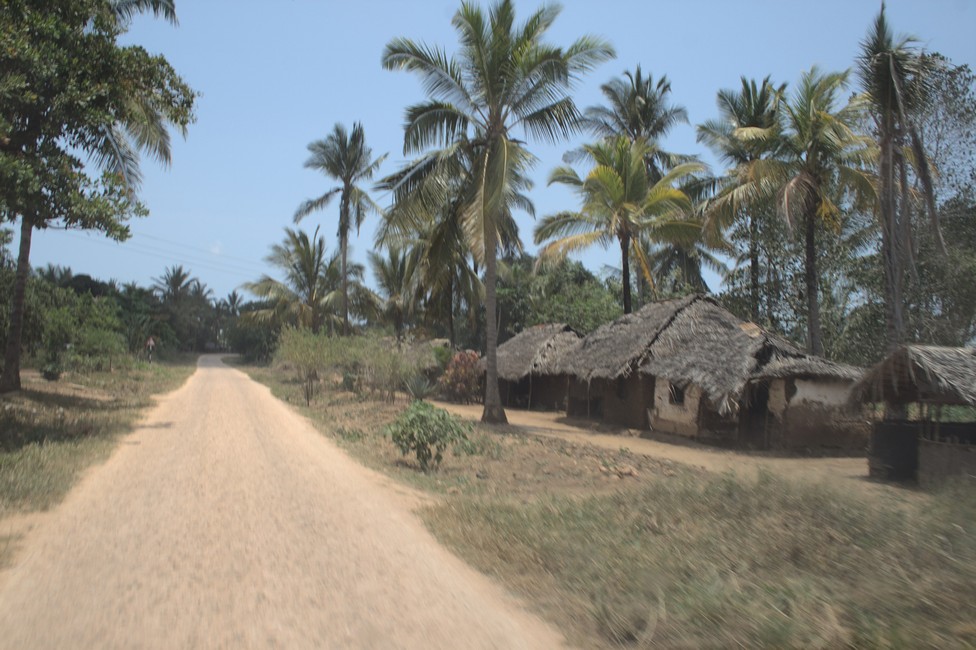
The drive through the Usambara Mountains is beautiful, it is pleasantly cool, so we drive the switchbacks relaxed, through small villages – really enjoy it. The public bus makes a stop here – traders try to sell their goods to the passengers.
From the main road a good gravel road branches to the ocean. We need to go to Pangani town, go there on a ferry. We are the first on the ferry and have to wait a bit.
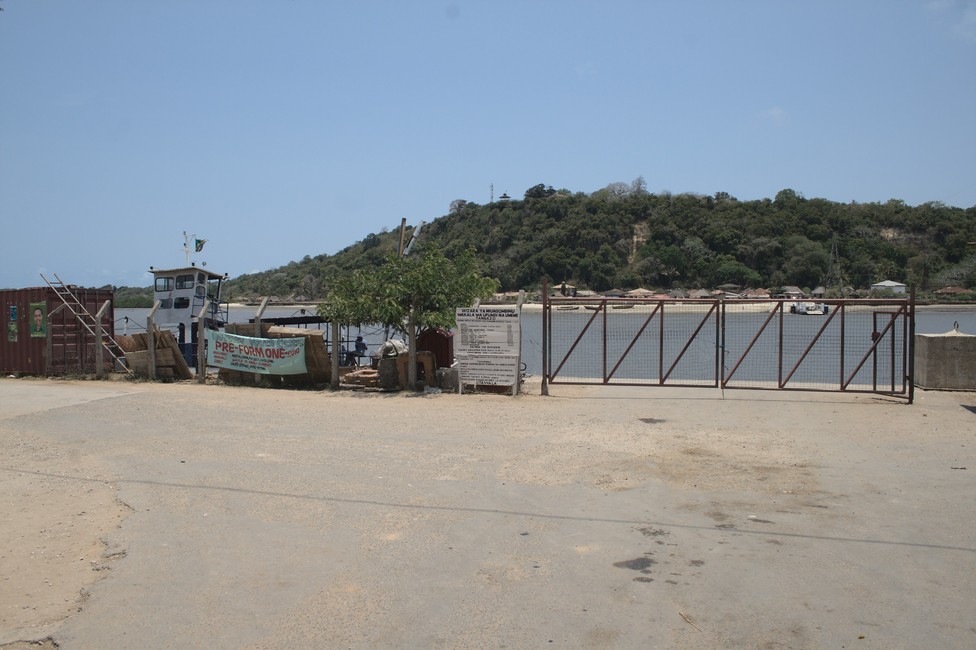
Interesting is the buzz at the ferry, the pedestrian must leave first the ship, then the vehicles. Everything is done quietly and calmly. No one here knows hectic. Now it’s our turn. Only a few vehicles fit on it. No problem, because the ferry shuttles back and forth, driving time about 10 minutes. And now we are almost there. The flow is pretty remarkable. Here Pangani river flows into the sea. Slowly, the captain aproaches the concrete ramp.
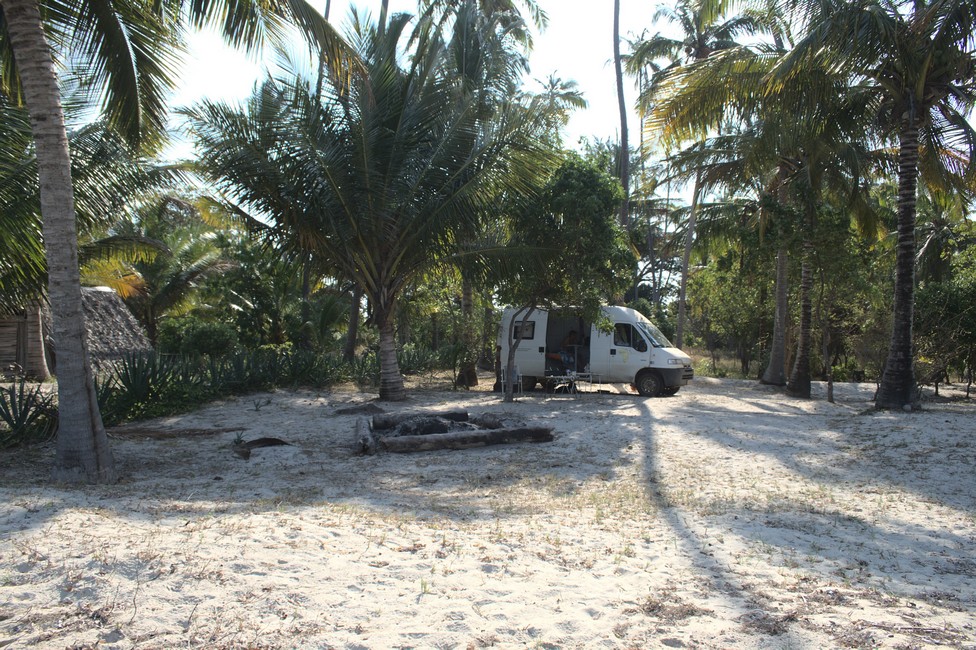
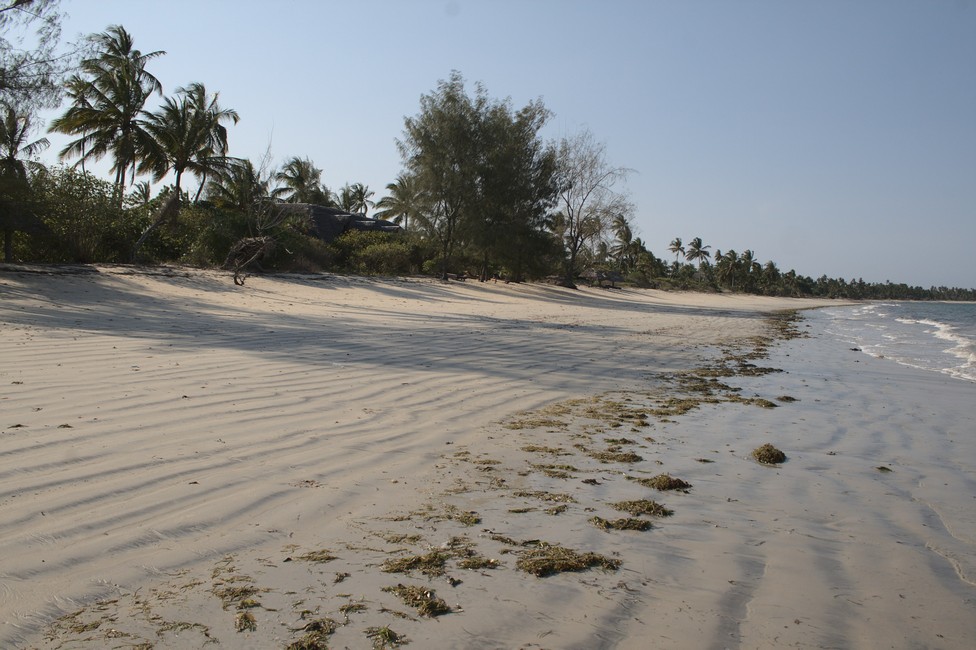
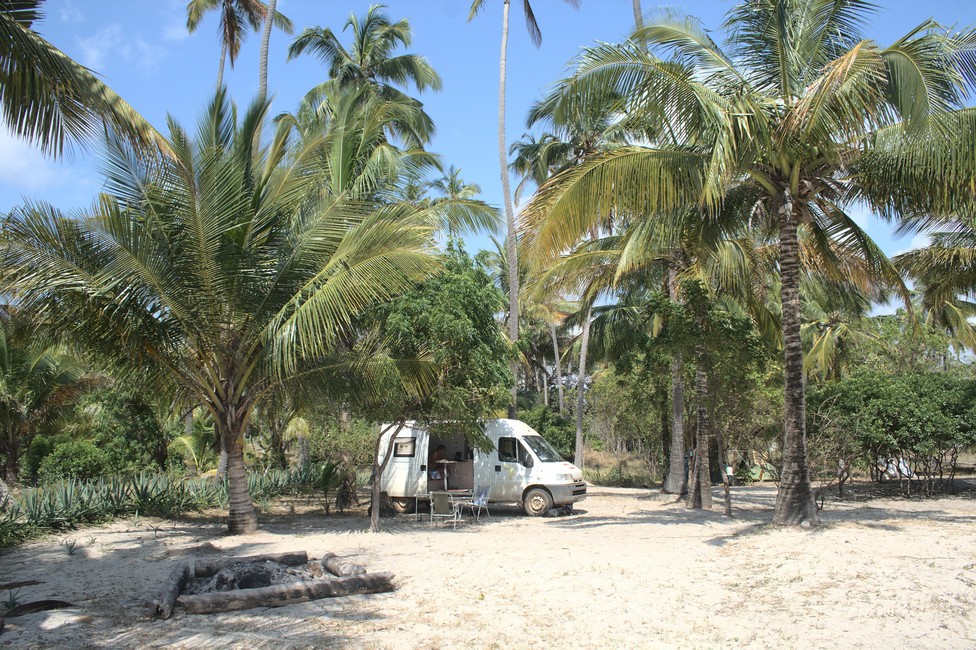
And once again we are in a paradise. The palm trees provide shade, the sandy Pangani beach is doing well on the feet and the sea less than 10 meters away. We decide to spend a few days.
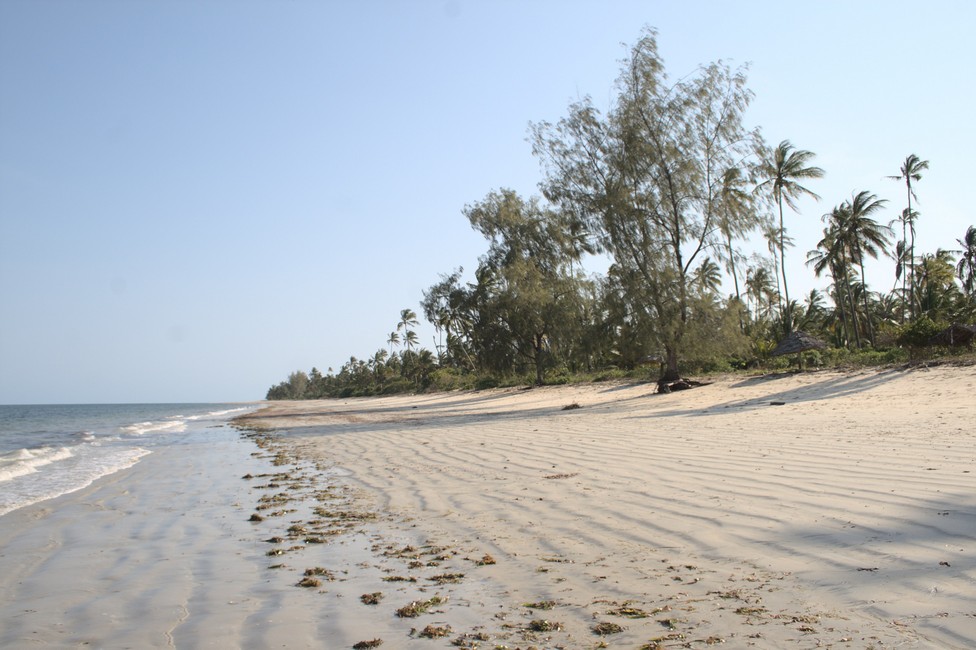
We can not spend the rest of our lives at Tanzanian beaches so it goes on after a few days.

At a stall we buy chapati, which are like omlettes but taste like bread and can be rolled. Delicious breakfast. As always, Tara is waiting impatiently. She loves chapati.
Chapati is not originally an African dish, but it has become a popular food in many parts of Africa due to historical and cultural influences. African chapati is usually made using a similar recipe as the Indian version but may have some variations depending on the region.
In East Africa, for example, chapati is a popular street food and is often made with a mixture of wheat and maize flour. The dough is rolled out thinly, and the chapati is cooked on a flat griddle with a little oil or butter until it is golden brown on both sides.
In West Africa, chapati is sometimes made with cassava flour instead of wheat flour, giving it a slightly different flavor and texture. Some versions of African chapati may also include spices such as cumin or coriander, which give it a distinctive taste.
Overall, African chapati is a delicious and versatile food that is enjoyed by many people in different parts of the continent.
Back on the ferry.

One Comment